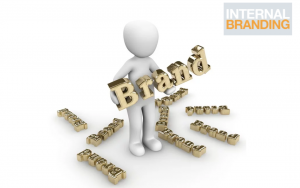
Employee Brand is an expression of the identity of the worker in line with the cultural codes of his employer and aware of the impact it generates on the company’s reputation. It is the degree of visibility of an executive, leader or collaborator. Employee Brand is the projection of the harmony of values between a professional and his working world.
It arises perhaps due to the urgent need for the humanization of companies and products that navigate in an overwhelming universe of information and competition each time with fewer geographical and cultural boundaries. Building employee brands are part of the whirlwind that organizations live to increase motivation, loyalty, and retention while shuffling the difficulties of the increasingly common generational and cultural diversity while developing talent, not only skills but humanity, caring for performance and results and always doing everything to keep up with technology and innovation.
It is urgent to build trust by understanding and connecting with the workforce. Employee Brand is about how the company links with its people. Place someone in your shoes to start from an empathetic and respectful position, interact and produce. That employee who feels that their individuality is understood and valued, and who has real ground for personal and professional growth within their organization, will be carrying a spectacular Employee Brand with pleasure and without much effort. If you feel freedom, well-being, and pride inside, you will also feel it outside. And that is the key.
The happy employee enthusiastically projects the brand or product of his company, humanizing it and generating through its face-to-face and digital networks a multiplier effect on the image of the company itself, and of the products or services it sells.
Operationalize the Concept
The concept of Employee Brand is a strategic padlock in the chain of human capital management, business communication, integrated marketing, and business planning. The practice of an organizational culture that cascades and breathes transversely through offices and corridors, is the starting point. The organization knows its codes and stops to meet its people far beyond talents and skills. Empowers the collaborator by demonstrating a legitimate share of interests and values. The employer encourages them with more than just compensation models, he accompanies them in his being, feeling and walking. The organization that manages to progress in parallel to the internal and personal progress of its people will have individuals proud to bear the name and corporate logo and products.
BENEFITS
For the employer:
- Consolidation of corporate cultural premises in line with general business goals.
- Adaptation of models to generational, cultural, hierarchical and technical profiles.
- Increase in innovation, motivation, and productivity of employees.
- Support for recruitment, talent, and training development processes.
- Generation of strategic institutional messages.
- Awareness of collaborators and generation of discourses aligned with those of the organization.
- Product image reinforcement before clients and audiences of interest.
- Impact on business and executive reputation before clients and audiences of interest.
For the employee:
- Strengthening trust codes of self-knowledge.
- Review of individual goals within the organization.
- Experience of specific degrees of freedom and autonomy in professional performance and personal growth.
Want to know more about building employee branding? Get it from The Book of Internal Branding. Avail the bestselling books that have impacted brands and cultures around the world. It will give you the best insights that will surely help you and your company in boosting your internal brand management. Download our free eBook now!